

Comics, Zines, and Graphic Novels in Art Therapy
Illustrating Stories
- Editor
Regular price
$39.95
Regular price
Sale price
$39.95
Unit price
per
- ✔️ Free US delivery over $35
- ✔️ Careful, protective packaging
- ✔️ Direct from the publisher

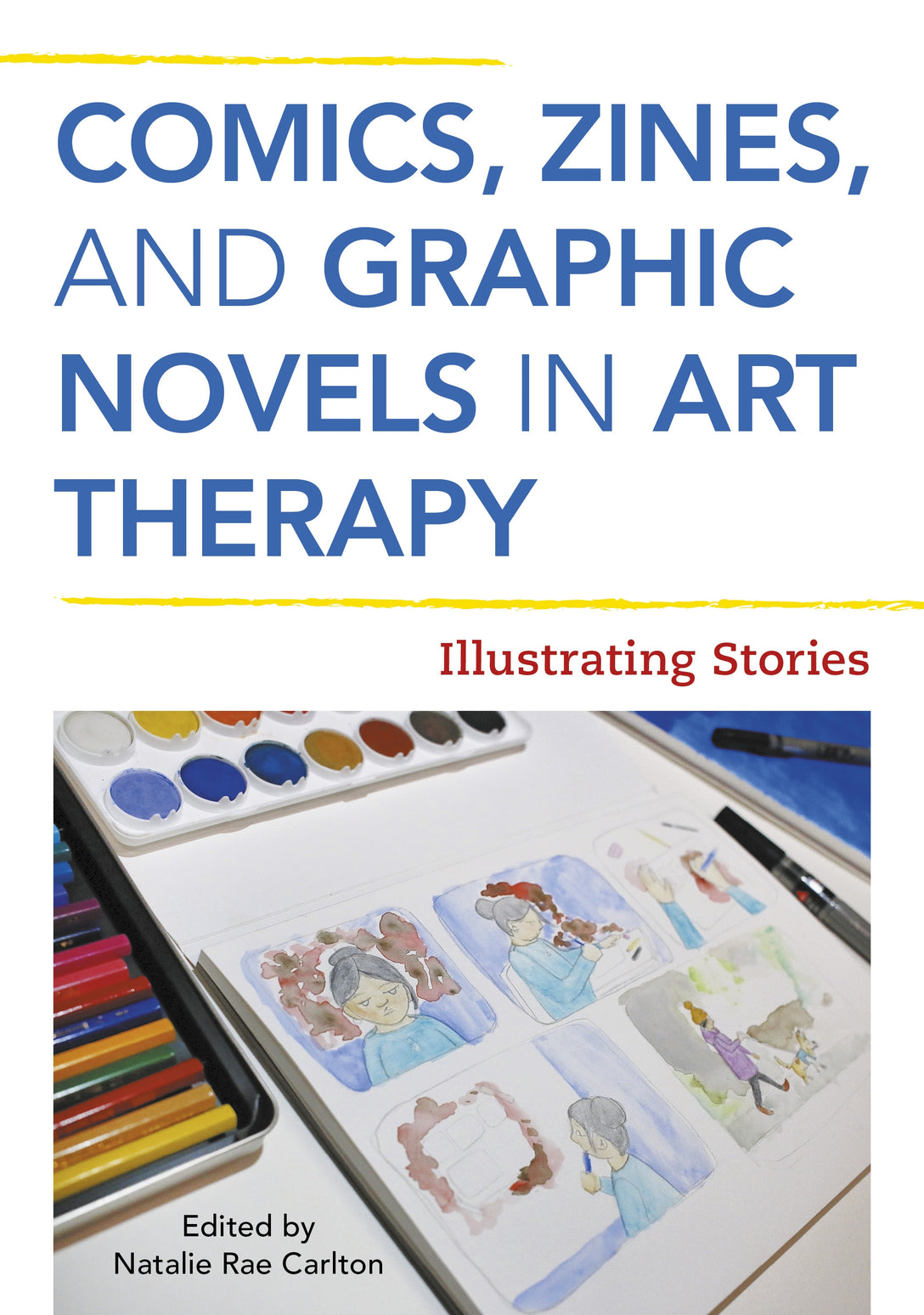
With illustrations and graphic narratives throughout, this edited book reveals the potential benefits of using graphic novels, zines, and comics in art therapy practice, education, creative engagement, and social advocacy.
Organised into three parts, the book begins by exploring the meaningfulness of comics and graphic novels. Part Two demonstrates how art therapists have used graphic novels and art therapy in practice, discussing process and structure to support you to integrate graphic novels and comic books in your own practice. Lastly, Part Three presents five short comics chronicling art therapist's experiences as a form of reflective practice.
Organised into three parts, the book begins by exploring the meaningfulness of comics and graphic novels. Part Two demonstrates how art therapists have used graphic novels and art therapy in practice, discussing process and structure to support you to integrate graphic novels and comic books in your own practice. Lastly, Part Three presents five short comics chronicling art therapist's experiences as a form of reflective practice.
- Published: May 21 2026
- Pages: 288
- 244 x 172mm
- ISBN: 9781787750791
Press Reviews
Rakshanda Khan MA, DTATI, RP, RCAT, Research & Publications Chair, Canadian Art Therapy Association
A wonderful, accessible love-letter to comics, zines, and graphic medicine. Featuring diverse therapeutic and pedagogical approaches, critical social justice conversations and first-person narratives, it transforms personal stories into communal conversations. An essential portal into the magic of comics in art therapy.
Randy M. Vick, MS, ATR-BC, HLM Professor Emeritus, The School of the Art Institute of Chicago
Words with images-the defining feature of the three formats focused on in this book. Carlton and her colleagues discuss and demonstrate this pairing in ways both scholarly and personal. Readers/viewers will enjoy this rich exploration of these genres in art therapy and related contexts.
Denise R. Wolf, Associate Clinical Professor, Art Therapy and Counseling, Drexel University
Redefining art therapy literature, this bold volume integrates graphic narratives and sequential art to expand visual storytelling in therapy and community care. Rooted in global and Indigenous healing traditions and honoring media as part of the natural world, it offers readers a phenomenological experience of imagery's transformative power.