
Resources on Therapeutic Parenting, PACE, and Trauma-Informed Childcare
Helping a child who has experienced trauma to thrive requires a specialised approach. This page explores how Therapeutic Parenting and the PACE model can help caregivers create safe, healing environments for children impacted by adverse childhood experiences.
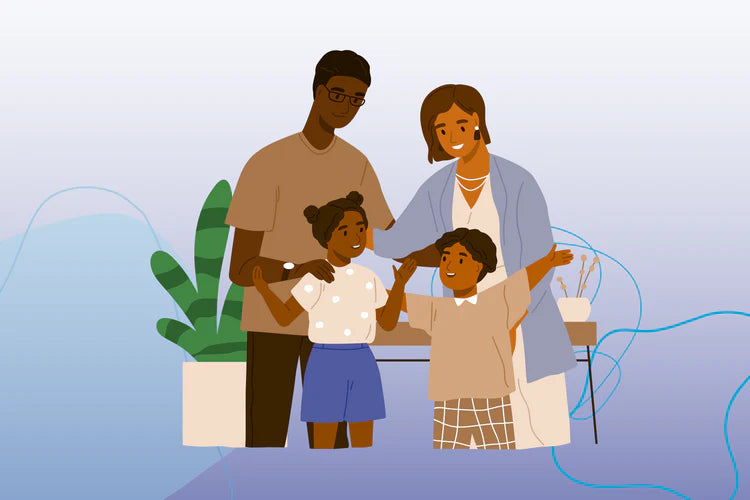
What is Therapeutic Parenting?
Therapeutic Parenting is a highly nurturing and
structured approach, designed to support children who have had adverse
childhood experiences, such as trauma, neglect, abuse, or disrupted
attachment. Rooted in attachment theory and trauma-informed care, this
parenting style focuses on building trust, emotional regulation, and secure
attachments.
Therapeutic Parenting is commonly used by:
- Foster and adoptive parents
- Guardians of children with developmental trauma
- Professionals such as social workers and therapists


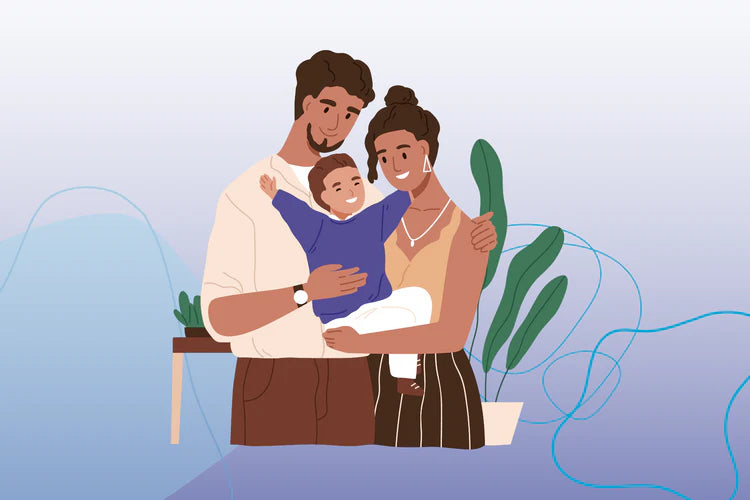
What is PACE?
The PACE model, developed by clinical psychologist Dr. Dan Hughes, is a foundational framework within Therapeutic Parenting.
PACE stands for Playfulness, Acceptance, Curiosity,
and Empathy. Each element plays a critical role in creating emotional
safety and supporting healing from childhood trauma.
PACE supports parents, carers, and professionals in fostering compassionate, trauma-sensitive interactions. It is widely
used across homes, schools, and therapeutic environments to strengthen emotional connection and attachment.


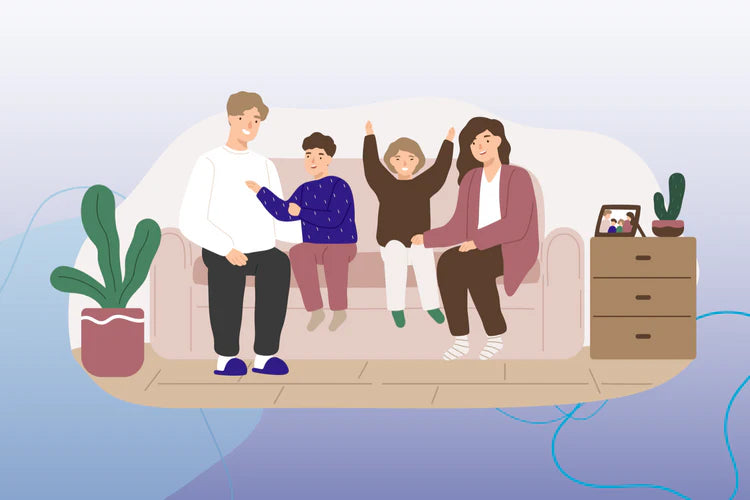
How Can I Connect with a Child Who Has Experienced Trauma?
Children who have faced early trauma may struggle to express or process emotions. They might seem distant, overly independent, or
resistant to affection. These behaviours often stem from a need for control and a fear of vulnerability.
Parents and carers often ask:
- "Why won’t my child talk to me?"
- "How can I build trust with a traumatised child?"
- "How do I help my child open up emotionally?"

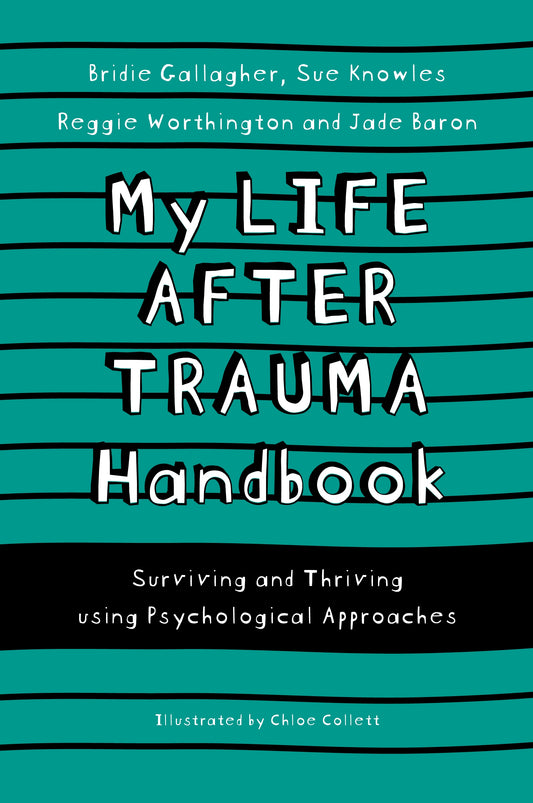

We offer a wide range of trauma-informed resources, including workbooks, journals, and therapeutic activity books, designed specifically to support Therapeutic Parenting and the PACE model.