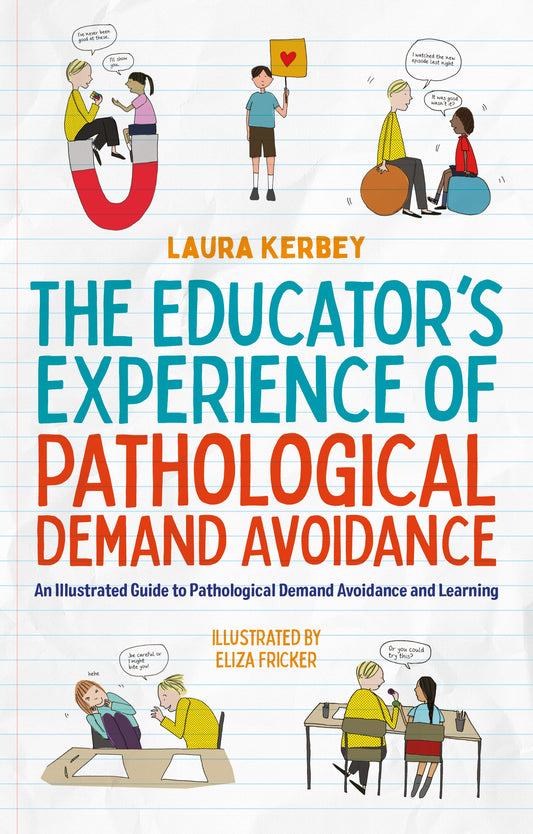
Books to Help Support Your PDA Child or Teen

Does my child have Pathological Demand Avoidance (PDA)?
PDA children struggle to do things if they perceive them to be a demand. The difference between being demand avoidant and Pathological Demand Avoidance is that PDA occurs every day, and includes both when asked to do unpleasant things but also things they enjoy and want to do.
A diagnosis can aid in accessing support, but the most important way to help a PDA child is by taking the time to understand their challenges and strengths.
Books that help children understand their Pathological Demand Avoidance (PDA)


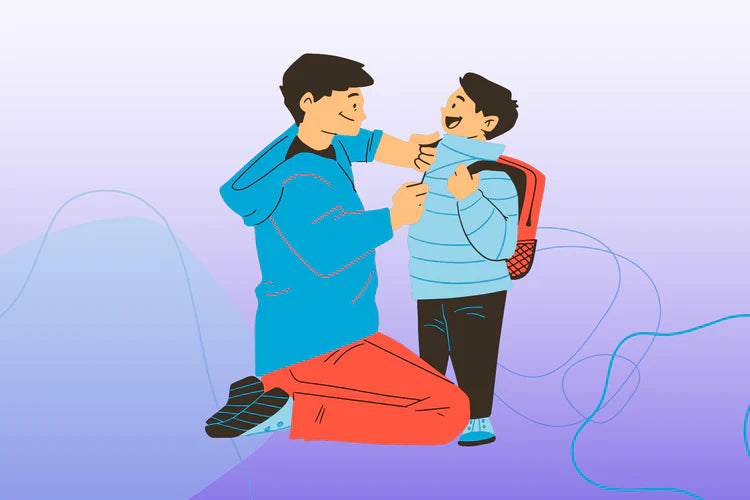
Parenting a PDA Child
PDA young people don’t always recognise hierarchy in the same way others do, which means they may not naturally see you, their parent, as an authority figure. They also often need to see the value in something before they feel able to engage with it. Keeping this in mind and looking for resources that can help communication between you will help your bond and relationship.



What support does my PDA teenager need?
Pathological Demand Avoidant teens can often feel misunderstood, and it can make a big difference when the people around them really understand what they need. If you’re a teenager yourself, and that sounds familiar, you might find it interesting to explore stories and experiences from other PDAers – especially in books written by people who’ve been there themselves.


What are the best resources on PDA for teachers?
For teachers and professionals supporting young people with PDA, a low-demand approach is often the most effective. This may include offering choices, incorporating humour into your questions to reduce anxiety, and using less pressurising language.
Sometimes accommodations can help to ease school avoidance. Other times, alternative learning solutions are more beneficial for the child. For more strategies and insights, explore our books below.